Author Archives: admin

Icon Cafe

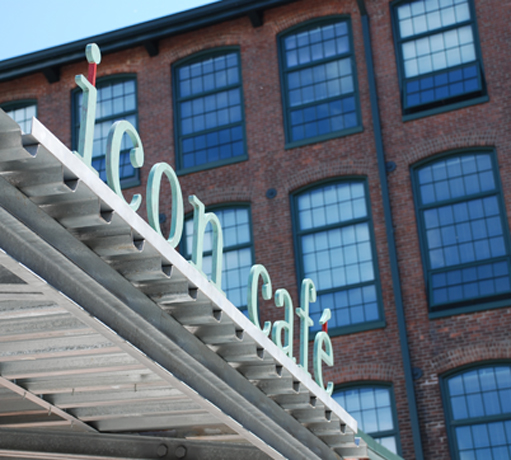
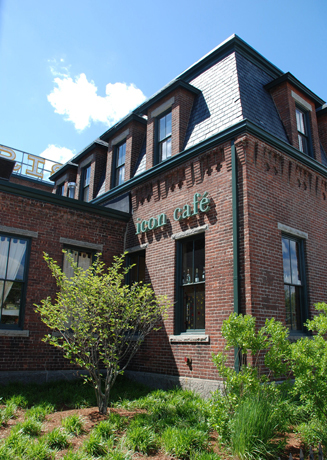
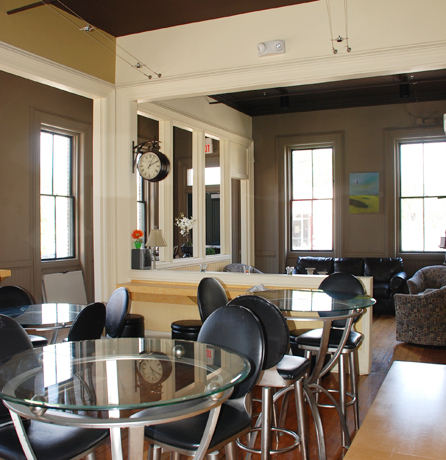
Designed by KITE, Icon Cafe at Rising Sun Mills on Valley Street in Providence was named the “Best New Cafe” by the editors of Rhode Island Monthly Magazine.

As designer for the cafe interiors and exterior renovations of “Building 10”, Sarah Kennedy of KITE created a rich palette of color, material, and lighting that lets the original building’s historic character shine through.

Kingstown Crossings Apartments: LEED-Gold

Creating a new identity along Devil’s Foot Road, Kingstown Crossings is organized along a central pedestrian path that connects ample green space, playgrounds, and plazas with a walking and bicycle path. Designed with families as well as “green” building principles in mind, the scale and details fit the residential neighborhood.

The complete affordable housing development includes 104 apartments, management building and maintenance buildings, developed by Crossroads RI. A childcare center and community building is planned for future construction.

The project exceeds Energy Star Homes criteria, is participating in the Green Communities Initiative, and has achieved LEED certification at the Gold level – the first multi-family construction in Rhode Island to achieve the recognition.

Construction started in the summer of 2010 and was phased over a multi-year period with TRAC Builders as the general contractor. The first families moved into their new homes in February 2011.

LEED for Homes is a rating system developed by the US Green Building Council that promotes the design and construction of high-performance green homes. Green homes use less energy, water and natural resources, create less waste, and are more durable and comfortable for occupants.Kingstown Crossings LEED for Homes Details

KITE Architects worked with Crossroads RI to design Kingstown Crossings in North Kingstown with many features across the spectrum of sustainability. A feature of the LEED for Homes program is that special focus is given to tenant training as well as ongoing building maintenance. Also, special durability inspections during construction ensure that all trades are building to high standards to ensure a long life of the building.

Green features include:

Location and Linkages:

-The site has been previously developed – no farmland is used, and the site uses existing infrastructure such as power, natural gas, and sewers

-The apartments are located on a major bus line, enabling residents to get to work without a car

-There are stores, schools, and parks within walking distance -Safe, ample play space and a continuous pedestrian path is provided on-site -Use of local materials is encouraged and documented

Sustainable Sites:

-The site was re-graded to filter most storm water on-site with natural rain gardens, instead of flowing to Narragansett Bay and overloading storm sewers

– Most of the existing mature trees on-site were protected during construction

Water Efficiency:

-Low flow toilets, sinks, and showers save water

-Landscape plantings are native and drought resistant, so no irrigation system is needed

Energy & Atmosphere:

-Homes are participating in the Energy Star Homes program

-A high level of insulation and a compact form mean that the buildings’ score for efficiency – the HERS Index – theoretically makes the apartments 39% more efficient than required by code, but actual utility bills the savings is over 50%. This translates to hundreds of dollars of savings on each tenant’s utility bills.

-A high efficiency boiler (85% AFUE) in each unit provides both heat and hot water

-All appliances are Energy Star compliant

-A programmable thermostat in each unit allows daytime temperatures to be lower while the residents are at work or school.

-Kitchens and bathrooms are located very close to the hot water heater, minimizing heat loss through the piping

-Ducted kitchen and bath exhaust fans ensure ample ventilation

-Large operable windows and ceiling fans allow residents to keep cool without an air conditioner -Individually metered natural gas and electrical bills encourage personal responsibility for energy use

Materials and Resources:

-Flooring material is made from locally extracted and manufactured materials

-Pests such as termites are kept from damaging the structure with the use of metal shields at the foundation, using screens at all large openings, and caulking every joint tightly.

-No tropical hardwoods such as mahogany are used anywhere on site.

-The contractor recycled as much construction waste as possible, and diverted over 80%  of waste from landfills

-Lumber cuts were be planned in advance to make sure not more than 10% of lumber ended up as scrap.

Indoor Environmental Quality:

-Hard surface flooring is used throughout, reducing indoor air quality problems associated with carpet

-The apartments were be flushed with fresh air to reduce any off-gassing prior to move-in of each unit

-Radon release measures including vent piping under the concrete slabs reduce the risk of radon.

-Doors made from recycled fibers are solid-core and long lasting -Low-VOC paints and sealants were used

Awareness and Education:

-Onsite operations manager ensures proper maintenance

-Orientation & procedural overview and tours given prior to tenant move in.

More information about the LEED-Homes program may be found at http://www.usgbc.org

Agawam Hunt Club

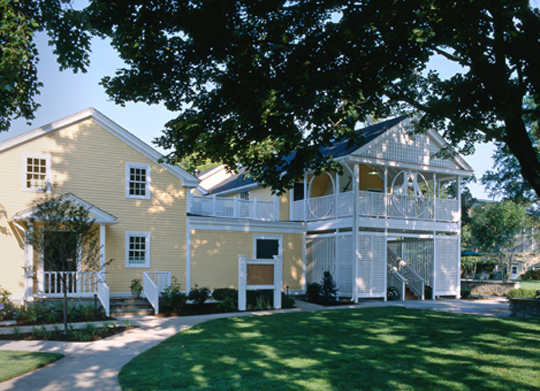
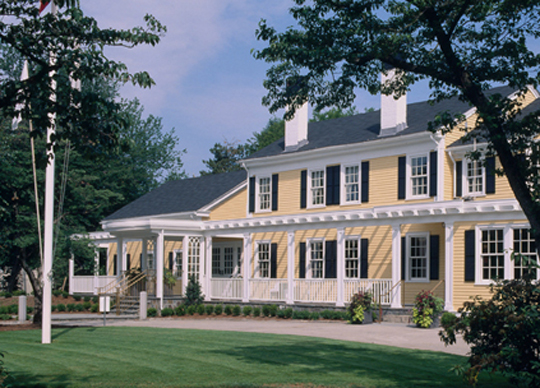
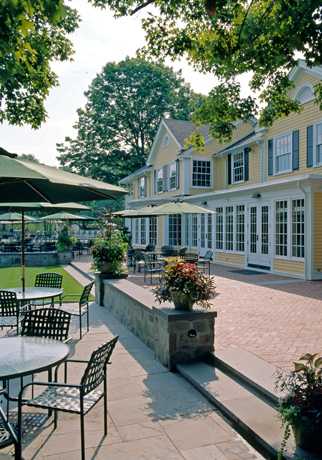
Established in 1893, Agawam Hunt is the oldest country club in Rhode Island. Since that time the original converted farmhouse has evolved into a clapboard-clad picturesque accumulation of additions in the domestic vernacular manner. In 2003, Agawam Hunt engaged KITE to address several building and fire code deficiencies, make the building more physically accessible, perform a complete modernization of the kitchen, and correct decades of damage caused by deferred maintenance. Together, all of these threatened the building’s viability.
The challenge with the renovations and additions to the clubhouse was to balance all of the modern needs and code requirements with the goal of preserving this important piece of Rhode Island history. Working closely with Agawam Hunt, several subtle renovations were developed that allowed the club to solve each of the issues while respecting its history and maintaining the character that the members had come to cherish.

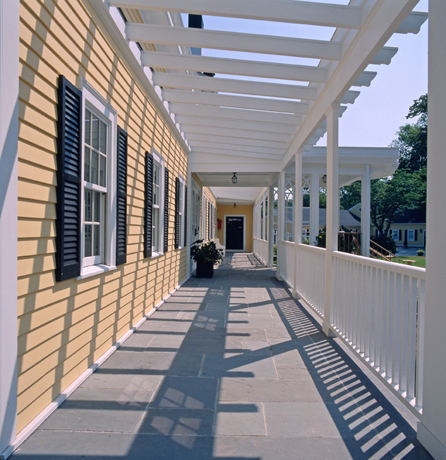
A new stair tower, a series of terraced patios, and an interior corridor were created to address the exiting needs while maintaining the appearance of the clubís natural evolution. New landscape elements have been used to integrate the ADA-compliant building approach and the addition as well as enhance the grounds. Working with the interior designer, new finishes have been installed that refresh the interiors. Structural, mechanical, and electrical improvements have been made to ensure that the club will be enjoyed by generations to come.

Intown YMCA

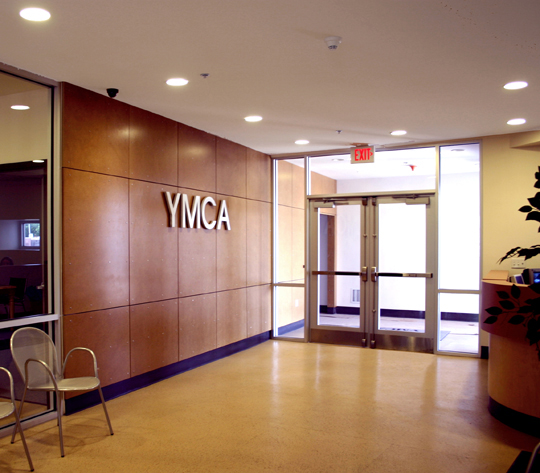
The population of downtown Providence has been changing over the last several years. New development has revitalized this neighborhood by creating loft apartments and artists’ studios within the former retail buildings. With this in mind, the local YMCA branch wished to consolidate operations and refocus programs to provide for modern fitness facilities, expanded child care, and administrative offices.

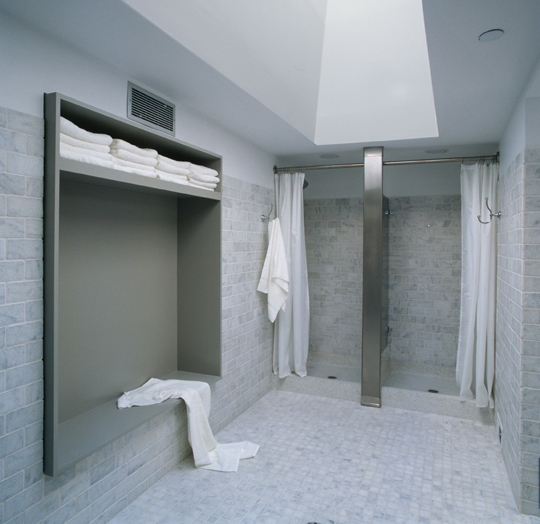
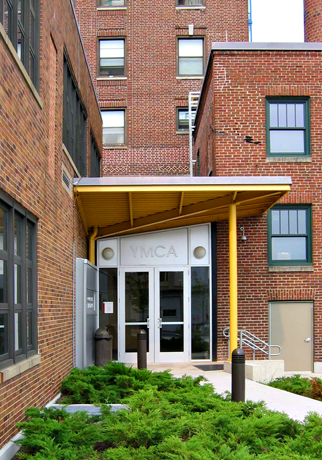
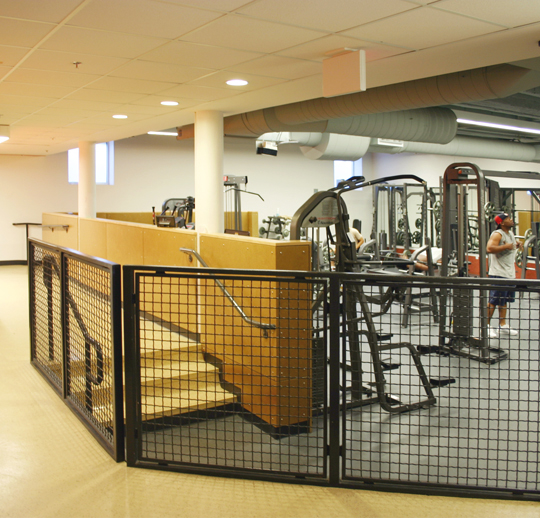
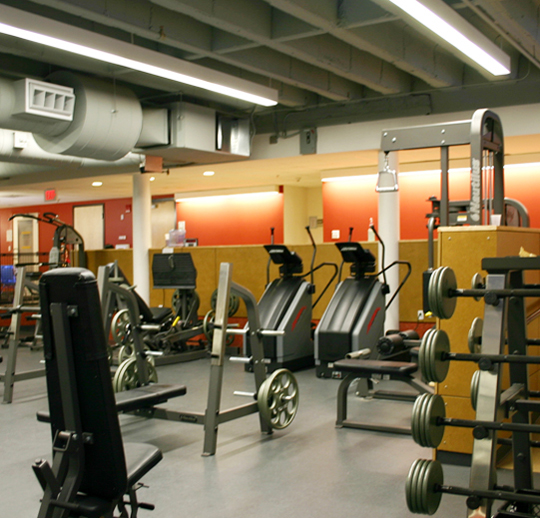
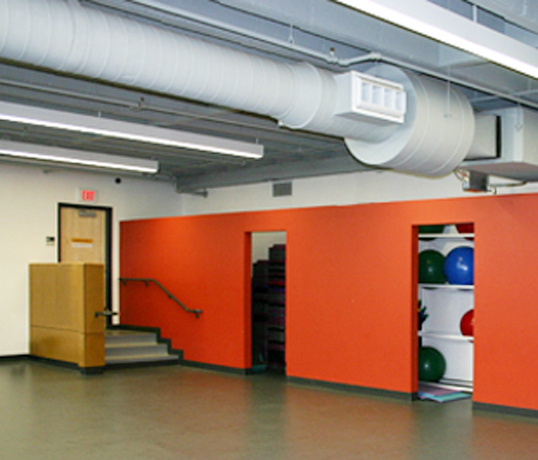
KITE successfully consolidated the YMCA’s operations within their portion of a tight urban lot. After gutting the entire three story structure, interior spaces were reorganized with a particular emphasis on providing greater openness between spaces. Using simple and durable finishes, four new child-care classrooms, a multi-purpose room, and fitness center (exercise room, aerobics room, steam room, locker rooms and showers) allow the YMCA to provide their clients with attractive, functional, and cost-efficient facilities. Site improvements include a new handicapped-accessible entrance and on-site parking.

St. John’s Episcopal Church

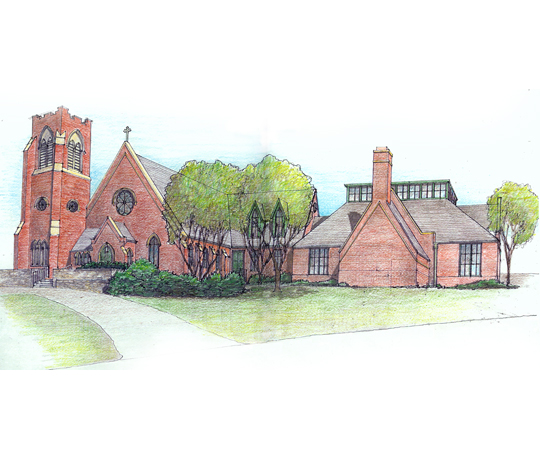
St John’s Church engaged KITE for the development of their property in Barrington, RI. The existing complex contained a church structure dating to the late 1800’s and an attached Parish Hall built in the 1950’s.

KITE was asked to develop alternate plans to illustrate how the Parish might better utilize the present facilities, increase the number of seats in the sanctuary, and add classrooms to the Parish House.

Working closely with the Rector and the Building Committee, KITE developed a series of design schemes to illustrate different options for enlargement of the sanctuary and enlargement of the Parish Hall, including the addition of a new Multi-Purpose Room and classroom wing. The architects made presentations to the Parish with question and answer sessions to gain consensus to the plans and discuss options.

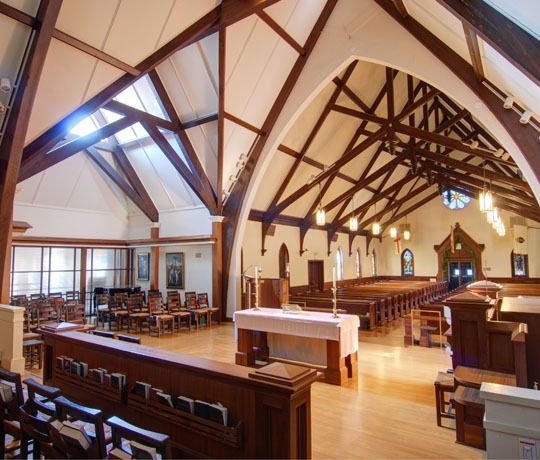
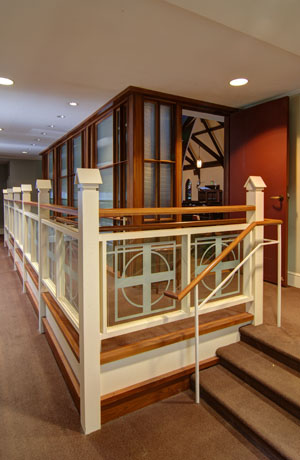
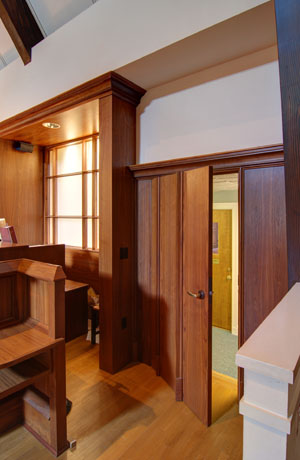
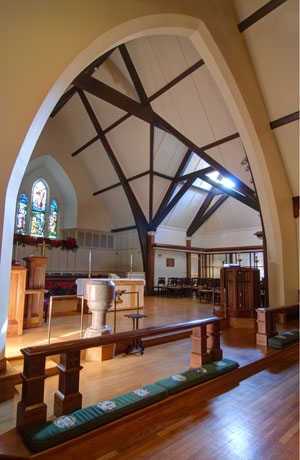
Phase 1 of the plan was executed in 2000. It increased the sanctuary seating to 400 and made all areas fully accessible for all people. Increased nave space is created through the addition of flexible space that serves as either a separate chapel or as auxiliary seating.

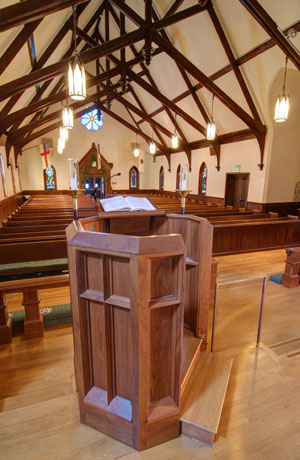
This space opens onto the altar area which contains a movable altar and pulpit arrangement permitting either a chapel orientation or a traditional full nave orientation. This flexibility has proven to be highly successful as its simplicity of change makes it practical and easily achievable on a regular basis.

101 North Main Street

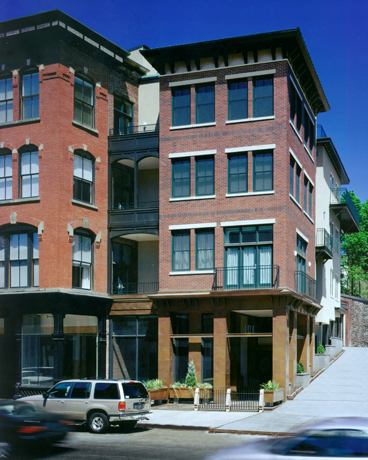
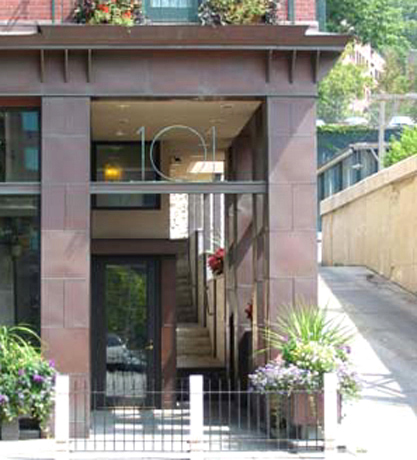
A developer acquired the former Pilgrim Mills Building for conversion to upscale condominiums.  While restoring the original building, KITE thoughtfully crafted a new four-story addition on the south side of the structure.  Utilizing a variety of forms and materials, the complex of buildings now reads as an assemblage of smaller scale structures, reflective of the original neighborhood and mid-block alley.

A common entry to the condominiums contains as elevator to all floors and provides access to the parking garage.  The original four-story building maintains its identity as the entrance to a new restaurant.  Each of the condominium units is unique in size and layout, ranging from one bedroom to two-floor penthouse units all with a private deck or balcony. The new units maintain the large windows and high ceilings of the original building, providing generous, light-filled living spaces.  The project serves as a skillful example of revitalizing a building and a streetscape.

David Brown Science Center, St. Andrew’s School

KITE developed a new master plan for St. Andrew’s Olmstead-designed campus that would allow the school to increase its overall student population by 50% and double its boarding student population.  To define the needs created by the expansion, the architects worked with students, parents, faculty, staff, and trustees in a series of “F.U.N.(Focus Users Needs) Sessions” to understand how the people who would use the facilities perceived their school and its future.

Following the masterplan, KITE designed the new Science Center to be sympathetic to the overall forms and scale of the existing campus buildings.  The Center is composed of a series of residential forms clad in cedar shingles that step down the hill meeting accessibility requirements without the use of an elevator.  The facility contains four classrooms (Biology, Chemistry, Physics, and Environmental Sciences), each with dedicated laboratory and teaching areas. Interiors contain exposed piping and are configured to provide views into the mechanical room, further reinforcing the teaching and understanding of the sciences.

Ample daylighting and a lively, nature-inspired color palette assure that there is no association with the typical staid science classroom.  A Greenhouse, Gardens, Wind Mill, and Solar Water Panels, illustrate practical examples of sustainability and everyday science to the students.

Ocean Technology Center, University of Rhode Island

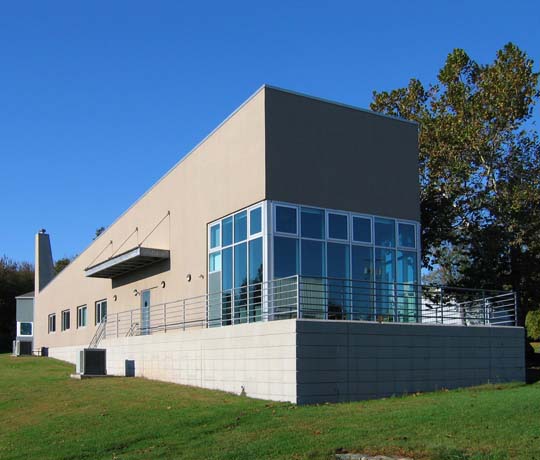
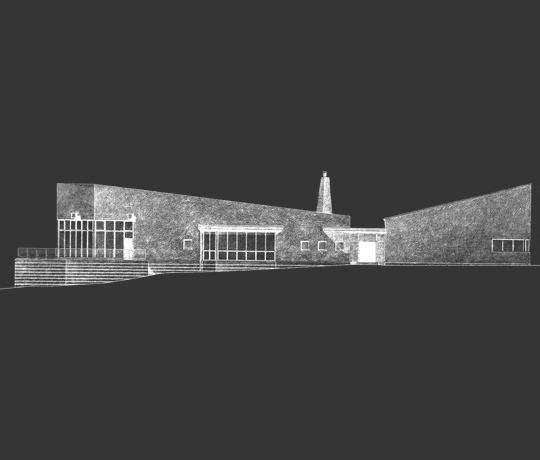
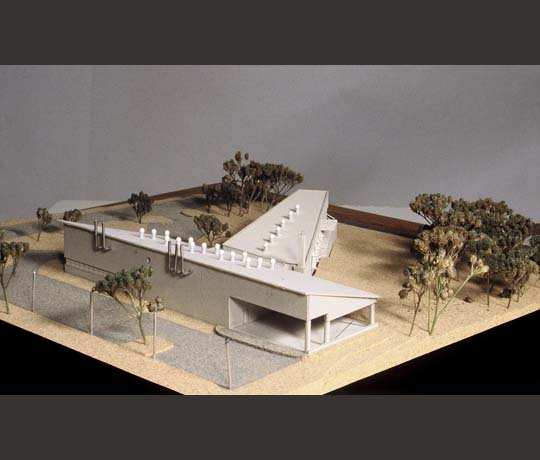
The Ocean Technology Center’’s (OTC) mission is to perform basic and applied research of interest to the corporate and government agencies that make up the National Science Foundations’ membership. The program included administrative offices, a large conference room and flexible office space for start-up industries in the ocean technology field coupled with a laboratory/workshop for the production of prototype marine equipment. Among the research groups currently using the building, undersea archeologists working with Dr. Robert Ballard use the facility for development of advanced undersea vehicles and expedition documentation.

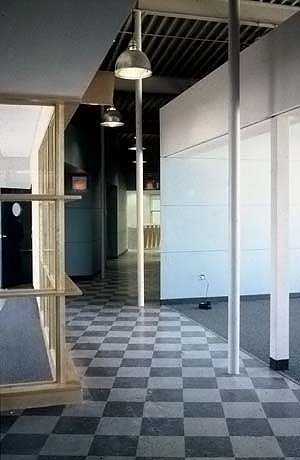
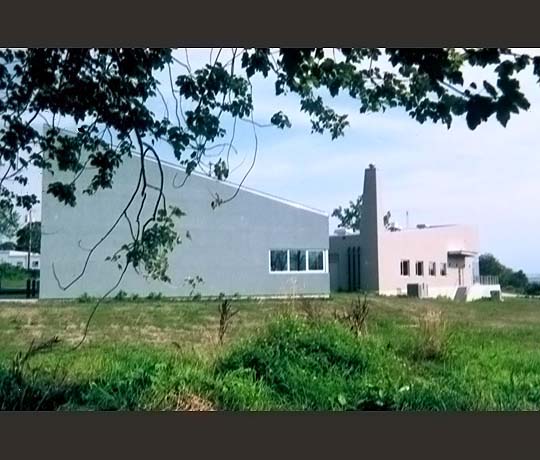
The design separates the program into two types of space: office and laboratory. Each is contained under similar shed-like roofs and made unique with its pattern of glazing and contrasting stucco colors. The building is sited to take maximum advantage of views to Narragansett Bay, with the laboratory behind the offices and higher up the slope. The resulting architecture is both modern and industrial in appearance. A number of funding sources required the architects to work with a limited time frame and a modest budget.

KITE has completed a master plan study which proposed doubling the size of the existing building, to provide additional office, laboratory/work, and conference/work areas. The addition continues the modest forms and simple materials.

Old Kent County Courthouse / East Greenwich Town Hall

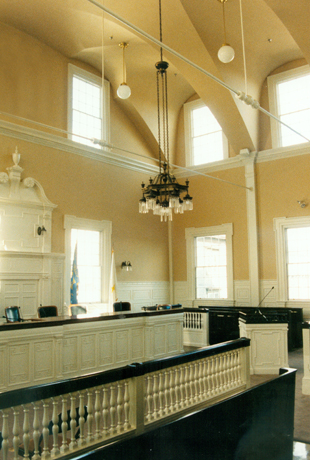
Originally constructed in 1806, and one of Rhode Island’s original state houses, the Town of East Greenwich asked KITE to fully restore the historic Kent County Courthouse building as well as house new offices for the Town of East Greenwich.

A new addition was constructed which was separated from the original building by a glass connector. Another challenge was to make the building fully accessible on this steeply sloping site from the commercial area of Main Street to Peirce Street, an area of mixed historical and public buildings. A drive at Courthouse Lane passes through the addition to allow parking at an interior courtyard. An accessible route from Peirce Street is provided via a covered walkway.

Department of Mathematics Building, Brown University

The Department of Mathematics had outgrown their existing facilities, a 19th Century wood framed house with a 1980’s brick addition on a prominent urban corner. Brown University engaged KITE to reorganize the existing space and provide new construction on the limited remaining buildable lot.

The first floor was completely reorganized with an emphasis on improving internal circulation and functional efficiency. Responding to the scale and forms of the residential campus, new construction is intended to visually separate the historic house from the rest of the complex. KITE provided offices for 30 faculty members and 40 graduate students, as well as administration, conference and seminar rooms, and common meeting space. The existing lecture hall remains as an independent space, isolated from other Math Department facilities in order to be used by the entire university community.