Author Archives: admin

Carter Center for Music Education, RI Philharmonic

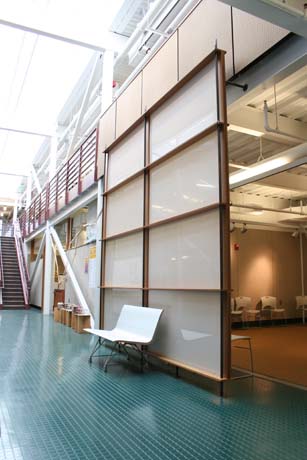
Conceived as a state of the art facility for music education and performance, the renovation to create the new Carter Center for Music Education houses the RI Philharmonic Orchestra and Music School. The only facility of its kind within 100 miles, the center is designed to serve 1400 students from their earliest years through adult instruction.

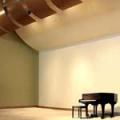
The building also boasts the Sage Performing Arts Hall, which provides two large rehearsal rooms for the RI Philharmonic Orchestra as well as large choral ensembles, and provides dramatic performance venues. The building houses dozens of studios designed for a wide variety of instruments, including group keyboard instruction, a rock and jazz wing, and dedicated Suzuki instruction rooms. A high-tech recording studio enables performances to be recorded either within the studio or remotely from the large performance spaces. A large central reception area hosts receptions and doubles as a gallery. Throughout, skylights and subtle color enhances spaces for parents to relax during lessons.

Technically, the Center is designed with utmost care given to acoustic performance. Cavanaugh-Tocci provided KITE with acoustic consulting services to analyze and help develop details ranging from walls, windows, doors and ceilings that reduce the transmission of sound between rehearsal spaces to adjustable baffles that optimize acoustics depending on the location of the performing group. As construction managers, E.W. Burman lead a group of skilled tradespeople to create a high quality finished project with exceptional value.

Photos by Warren Jagger, Illustration by M. P. O’Beirne 
The University Club

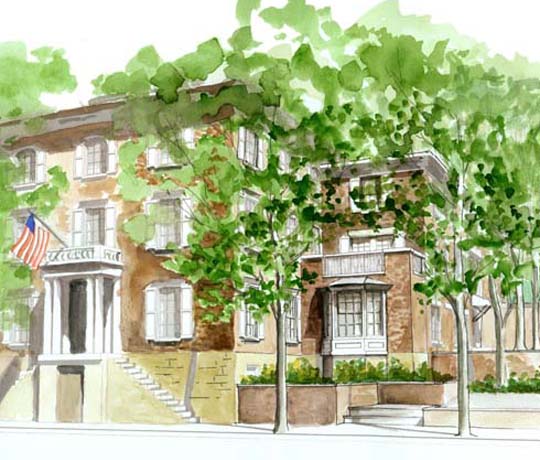
Ten years after completing a comprehensive restoration of the historic University Club in the heart of Providence, KITE was asked to re-conceive the public rooms to enhance its appeal to a new generation.

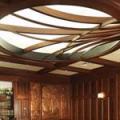
The centerpiece of KITE’s renovation plan was an audacious excavation and restructuring of a former internal courtyard, creating a new skylit bar area and informal dining suite that is showpiece for the tradition of craft that makes Providence special, The entire concrete floor was lowered to improve circulation and gain ceiling height between the newly connected rooms.  Paneled with exquisitely crafted mahogany,  features of custom glass, metal, stone, tile, and woodwork from the area’s most respected artisans create a warm and inviting destination for members to relax with their guests. Large new windows were cut in the exterior walls in sympathy with adjacent historic openings to engage the beautiful adjacent Frazier Terrace, bringing light and greenery into the room. Custom wood sashes were fitted with hand-made patterned glass and bronze springs to further the elegant look.

In the main dining room, columns from the exterior were brought in as interior accents to define the space along. An overhaul of the lighting, a new central fireplace, and a built-in host station completed the transformation.

Throughout the building, careful moves were made to improve circulation and create new function rooms. Working in concert with furnishings and finishes by interior decorator Susan Symonds and thanks to the exceptional effort by contractor E.W. Burman, Jutras Woodworking, and the entire project team, the club has an invigorated new spirit.

photography by Nat Rea; watercolor by Christine West, AIA

School of Architecture Art and Historic Preservation, Roger Williams University

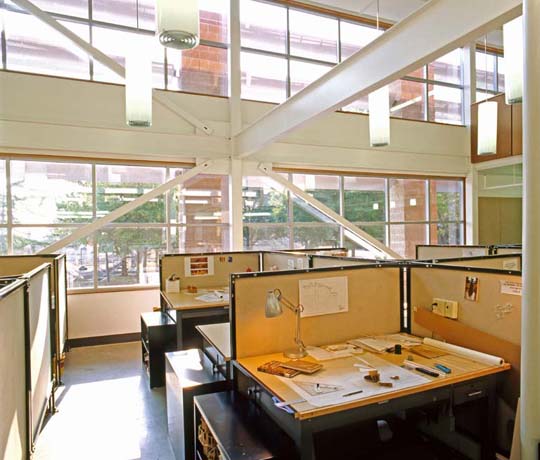
In 2003 KITE created a master plan for the long-term growth of an enlarged School of Architecture, Art, and Historic Preservation at Roger Williams University, and a design for immediate expansion that built upon the success of their original 1984 design. The addition responds to the need for interdisciplinary interaction, creates studio and support spaces suitable for graduate work, and facilitates increased visibility to the University and community at large.

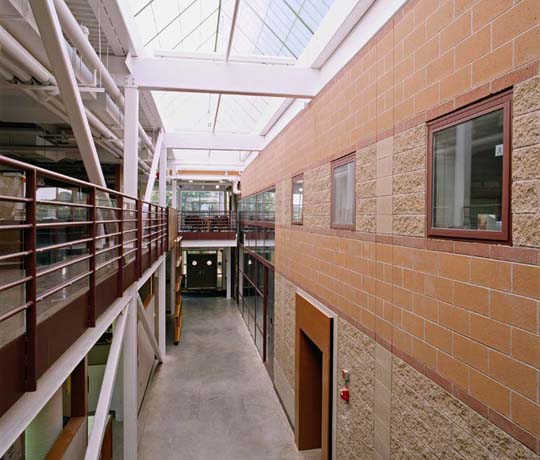
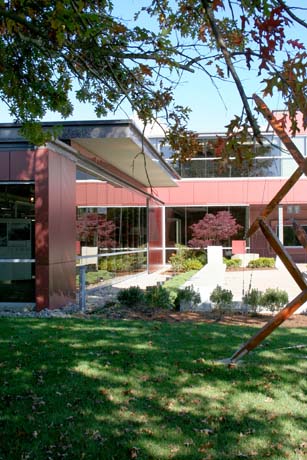
The new construction accommodated a modest budget and aggressive schedule while capitalizing on the functional and aesthetic opportunities. A high performance rainscreen cladding system, generous glazing, and simple geometric forms makes the addition clearly identifiable as new. The free-standing masonry piers integrate this new work with the original building and support shading louvers that employ sustainable, passive solar strategies.

The project was one of the first in the United States to use the now-popular Trespa cladding system, which is a rain screen that reduces air and water infiltration while providing a highly durable exterior panel.

A new 99-seat lecture hall, an indoor exhibition gallery, an outdoor sculpture court (including a rear projection digital media screen that has been integrated into the architecture), graduate architecture studios, art department faculty and review spaces, and dramatic public interiors promote cross-discipline collaboration.

Clarendon Residence

Sited on Providence’s East Side, this project takes cues from the original contemporary architecture to craft an addition that captures airy and open living space that retains a strong sense privacy. A careful hand with proportion, detailing and material selection are key components in the success of the project.

Smith-Buonanno Hall, Brown University

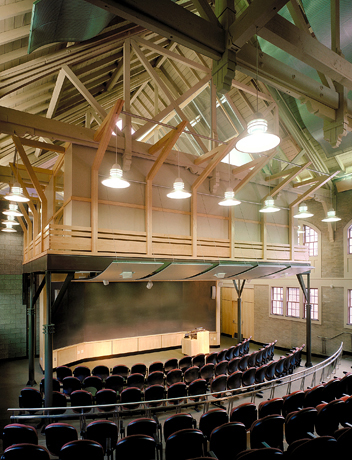
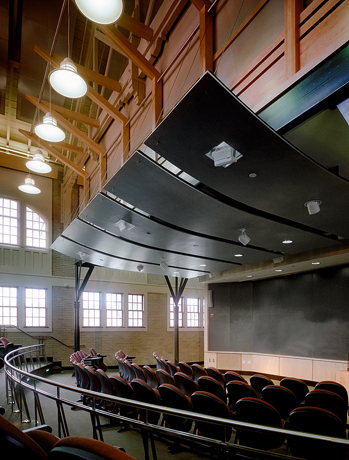
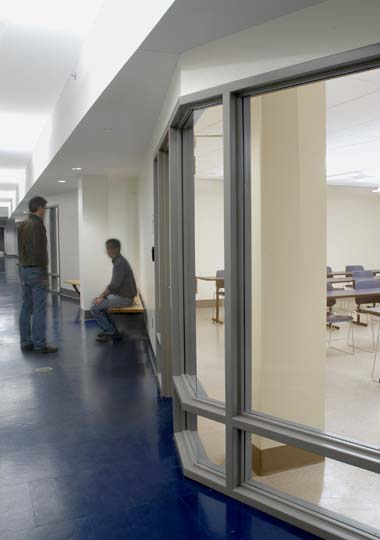
Renovation of the historically and architecturally significant 1907 Sayles gymnasium at Brown University combined meticulous restoration of the unaltered Tudor Revival exterior and judicious rehabilitation of the interior. The program’s six state-of-the-art classrooms of varying sizes and didactic uses required reconfiguration of the large gymnasium space on the upper level.

By using that volume for the large lecture hall and tucking smaller classrooms above it within the exposed trusses, KITE both respected the space and took inspiration from its utilitarian architectural vocabulary. This project sets an enviable standard for historic rehabilitation by handsomely proclaiming what the building was as well as what it now is.

College Hill Residence

KITE’s work at this historic house on Providence’s College Hill included an exterior restoration of the main house, complete renovation of the interiors, and a carefully detailed significant addition. Expanded and reorganized interiors and new outdoor spaces feature breathtaking views of the Providence skyline.

The project was subject to stringent review by the Providence Historic District Commission, and the completed home was featured in Providence Preservation Society’s Festival of Historic Houses. The careful integration of the addition and sensitive interior modifications illustrate how a historic home can be added to and modified to include spacious open-plan living areas without sacrificing the original character of the house.

Photographs by Neil Alexander

ANCHOR, 42 Rice Street

KITE worked with ANCHOR to develop space that fosters community, collaboration, and creativity.  ANCHOR is a physical space for startups and individuals focusing on design, architecture, and art.

The environmentally friendly renovation includes offices and studios, and space for learning, events, and manufacturing. ANCHOR houses Keeseh Studios, a community wood shop with a vast amount of resources (including a CNC machine). Also on site is the Ecolect Materials Library, physically showcasing hundreds of environmentally-minded material samples for architecture, product design, graphic design, fashion and engineering. Community classes are available in both basic and advanced woodworking and fabrication.

Throughout the project, KITE collaborated with designers and founders of ANCHOR, Asher Dunn and Matt Grigsby, as they continued to develop the interior design for a truly multi-disciplinary project. KITE assisted Anchor in selecting a site, planning interior renovations that created multi-purpose shared event & gallery spaces as well as compartmentalization of noise and dust for various shop, studio, artist and incubator zones, helping secure permits, and working with Pariseault Builders to complete the upgrades.

Alger Hall, School of Management, Rhode Island College

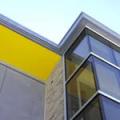
Alger Hall, a circa 1960’s modern building, is centrally located on the Rhode Island College campus and was identified by the college as an ideal location for the growing School of Management and Technology. KITE started with a simple recladding of the existing 1950’s structure and ended up transforming the use and image of the building inside and out with a pair of bold additions and reorganization of the interior.

KITE designed additions on the east and west ends of the building that engage significant places along the central campus road and student walkway. To the east, a large flexible community space is created for departmental assembly functions as well as larger campus-wide events. The west addition utilizes advanced glass coatings to control solar heat gain and provide visual privacy to the student and faculty lounges within.

An innovative, prefabricated GFRC (glass fiber reinforced concrete) wall system was developed in collaboration with industry leaders to suit the specific cost, schedule, and aesthetic concerns, while satisfying the structural and thermal performance requirements.

“Two years of careful design work has resulted in one of the finest teaching facilities in New England, certainly for the teaching of business and economics. Rhode Islanders will be proud to know the level of this facility and what RIC is doing to help prepare the workforce leaders of Rhode Island.” – James Schweikert, Dean of the School of Management and Technology

Saint James Episcopal Church

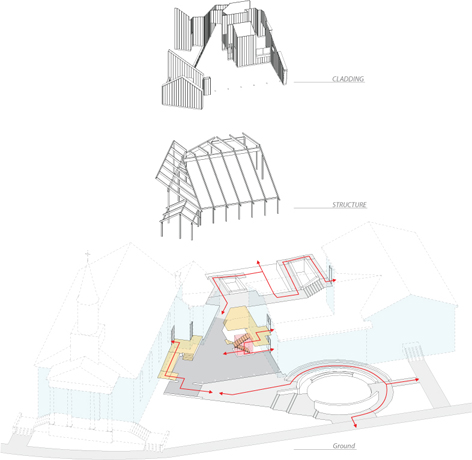
At its heart, KITE’s design for a new connector structure at Saint James Episcopal Church is intended to project the energy and vitality of the parish to the surrounding community.

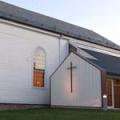
Established in 1832, Saint James Episcopal Church is the first church built in Woonsocket, RI.  The original Victorian style structure underwent major alterations in the 1930s to conform to a Colonial style of architectum and in the 1960s, a Parish Building was added onto the existing Church. For years, the Parish struggled with accessibility, circulation, and safety issues that KITE’s new structure solves.

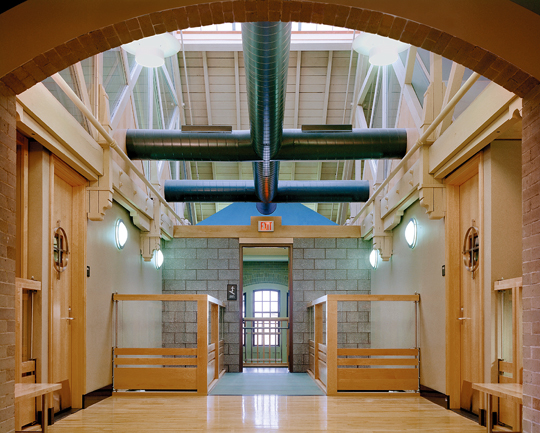
The most dramatic feature in the central gathering area is a skylight that runs the length of the space and washes the wall of the historic church in light, making the exterior architecture an interior focus.

A fully glazed south wall opens out onto a new south terrace.  A series of carefully considered landscape design elements on both sides of the buildings create enhanced entrances and gardens. The design focuses on a simple and refined palette of materials and construction details that maximize the potential of a limited budget.  Materials such as white-washed board and battens and copper accents bring rich texture to the project.

The Providence LEED House

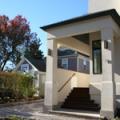
The Providence LEED house was completed and occupied in late 2010. It was the first house to registered with the LEED for Homes program in Providence and is awaiting certification. Targeting the highest levels of green building, in-field inspections, testing, and documentation will determine the final level. Designed to be extremely energy efficient, this new home is a showcase for green technology.

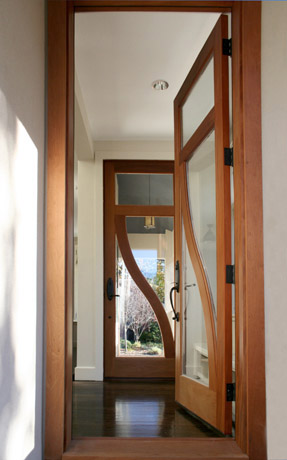
The house is located on Providence’s East Side and is inspired by other 1930’s craftsman style houses in the area. Its traditional appearance and scale is belied by its cutting edge amenities and technology.

The shell is constructed with the latest technology, including SIPS panels, and insulated concrete forms. The developer and builder, Native Structures, Inc., is committed to building green homes and following sustainable building practices such as reducing construction waste and using FSC products.

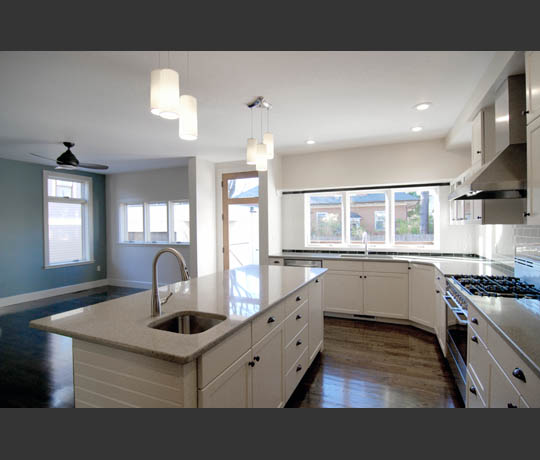
With 4 bedrooms and 3-1/2 baths including a luxurious master suite, the house features a dramatic sun-filled atrium that aids in heating the house through passive solar techniques. The garden and yard is designed to retain stormwater and uses native plants. The building shell has tested at an extraordinary level of tightness which will contribute to a dramatic reduction in energy use compared to the average new home.